Every interaction a customer has with your business, from their first search to a follow-up text, shapes their perception and loyalty. In 2026, with ever-increasing digital noise and sophisticated customer expectations, understanding and actively managing these touchpoints is more critical than ever. It's not just about what you sell, but how you make people feel when they engage with your brand.
At Digital Harvest Marketing, we've seen firsthand that businesses that prioritize the complete customer journey – from initial awareness to loyal advocacy – consistently outperform their competitors. This isn't about grand gestures; it's about practical, consistent effort across every point of contact.
What Defines Customer Experience Today?
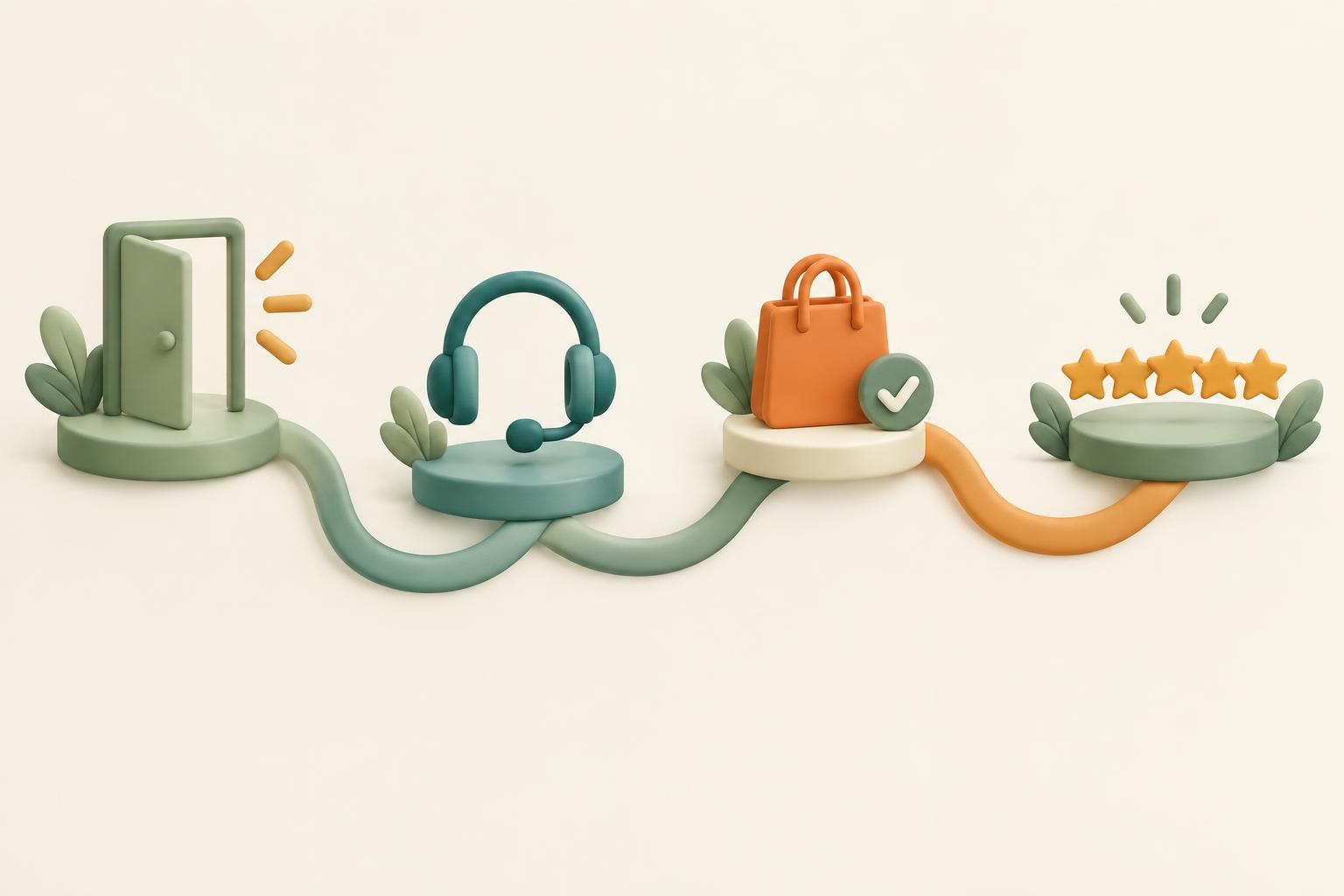
Customer experience (CX) is the sum of all interactions a person has with your business. It encompasses every moment they spend researching your product online, chatting with your staff, using your service, or even receiving a promotional email. Think beyond just a single purchase; CX covers the entire lifecycle: discovery, cultivation, transaction, service, and advocacy.
It’s different from customer service, though service is a key component. Good customer service might be a friendly, helpful representative resolving an issue. Good customer experience, however, is that issue never arising in the first place, or if it does, the resolution process being intuitive, quick, and satisfying, leaving the customer feeling valued. A well-designed website, clear product information, efficient delivery, and seamless communication are all parts of CX, long before a service interaction might even occur.
In the current environment, customer expectations are perpetually rising. They expect instant answers from AI-powered search results, personalized communications, and a consistent experience whether they're on their mobile device or in your physical location. Ignoring these shifts means falling behind, not just in revenue, but in reputation.
Building Blocks of a Strong Customer Journey
So, how do you actively improve something as broad as customer experience? It starts with a clear vision and a deep understanding of your audience.
First, define your CX vision and values. What experience do you want your customers to have? Is it speed and efficiency, personalized care, cutting-edge innovation, or affordability? Whatever it is, these core values should permeate every decision, from your marketing messages to how you handle returns. Communicate this vision clearly to every member of your team.
Second, truly understand your customer base. This isn't just about demographics anymore. It's about their digital habits, their pain points, their preferred communication channels, and what motivates their decisions. Create detailed customer personas that account for their journey, including where they search for information (e.g., AI answers, social media), what device they use, and what questions they have at each stage. This understanding helps you tailor everything from your website content to your email campaigns.
Third, prioritize seamless, mobile-first digital interactions. In 2026, most customers will encounter your brand first through a screen. Your website needs to be fast, intuitive, and fully responsive on any device. Make sure your Google Business Profile is optimized and actively managed, as this is often a customer's first impression. Customers expect to find information quickly, whether it's through a traditional search, an AI-generated answer, or a chatbot on your site. This is why AI search visibility is becoming as crucial as traditional SEO.
Modern Tools for Enhanced Engagement
The right tools and strategies can significantly elevate your customer experience without overcomplicating things. Think about how customers want to interact, not just how you’ve always done it.
One powerful avenue is direct, permission-based communication. Email and SMS/text marketing offer immediate, personal channels to connect with customers. Use these for promotions, order updates, appointment reminders, or even quick feedback requests. Always respect privacy regulations and ensure your messages provide real value. This direct line helps build rapport and loyalty that generic ads often can't.
Another essential piece is reputation management and feedback. Customers trust reviews more than ever. Actively solicit feedback through simple surveys, review requests (e.g., for your Google Business Profile or industry-specific sites), and direct outreach. Respond to all reviews – positive or negative – thoughtfully and professionally. This shows you're listening and care about their experience. Tools for reviews and reputation can automate much of this process, ensuring you never miss an opportunity to engage.
Finally, consider how automation can smooth the customer journey. From automated welcome sequences for new email subscribers to personalized product recommendations based on past purchases, automation can deliver a consistent, responsive experience at scale. It can also free up your team to focus on more complex, high-value customer interactions. Integrating your Point of Sale (POS) system with your customer data can unlock powerful personalization options and streamline service.
The Payoff: Loyalty and Growth
Measuring customer experience can feel less tangible than tracking website clicks, but it's far from impossible. Look at metrics like repeat purchase rates, customer lifetime value, net promoter scores (NPS), and even direct feedback from your team who interact with customers daily. Your employees are on the front lines; their insights are invaluable for identifying pain points and opportunities. Project management and internal communication tools can facilitate this continuous feedback loop.
A superior customer experience translates directly into customer loyalty, positive word-of-mouth (both online and offline), and ultimately, sustained revenue growth. In an increasingly competitive landscape, this isn't a luxury; it's a fundamental requirement for success. By continuously refining your customer journey, listening to feedback, and leveraging modern digital tools, you'll build stronger relationships and a more resilient business.
Ready to re-evaluate your customer experience and implement strategies that genuinely connect with your audience? Let's discuss your current approach and identify tailored solutions to help your business thrive. Book a call with Digital Harvest Marketing today.