
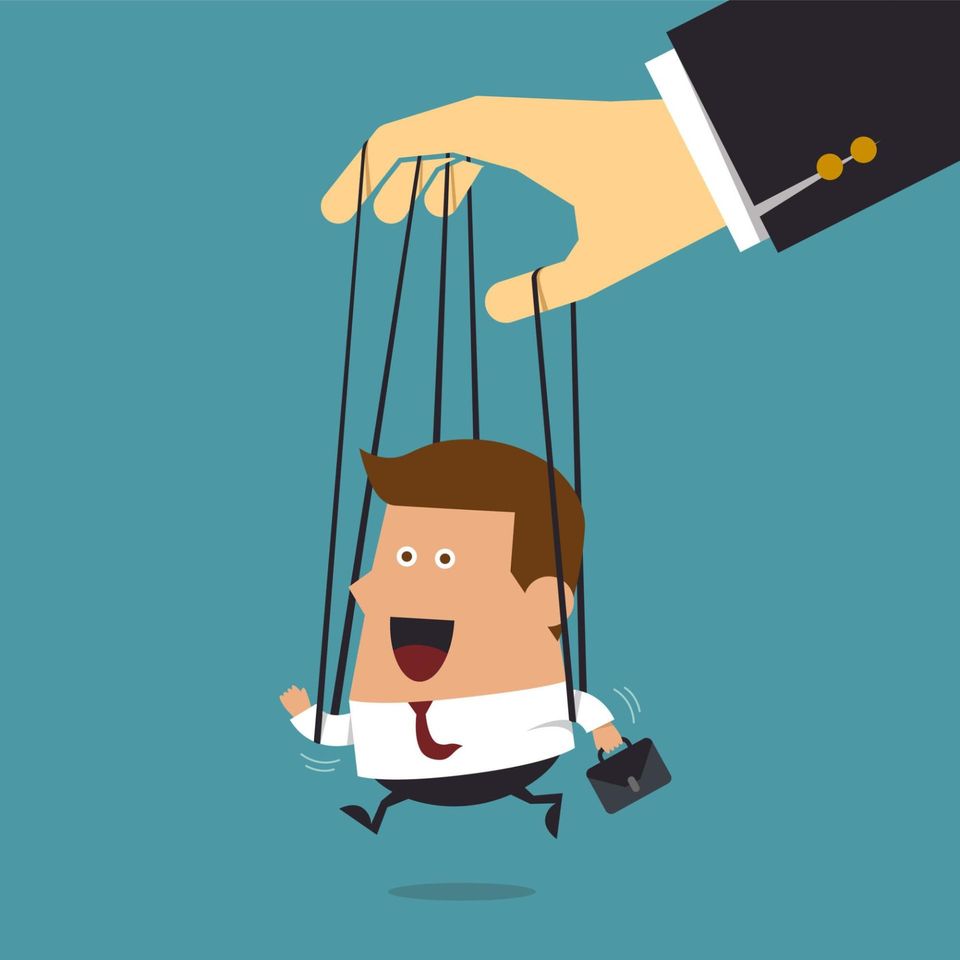
Manipulation is the ability to change the
behavior or perception of others in clever or unscrupulous ways. For many, the
word has negative connotations, so the idea that manipulation can be used for
marketing conjures up images of scare tactics and deception.
While marketing involves some manipulation, it
isn’t necessarily a bad thing. Done ethically, manipulation in marketing is an
effective tool for boosting your brand. Done incorrectly, however, manipulation
can hurt your long-term business goals.
Manipulation in Marketing

Your mind navigates through your day with a
subconscious understanding of the world around you. There’s so much information
floating around that your mind must absorb, filter and process to make
assumptions that guide your decisions. Because of this, your subconscious
develops perceptions and beliefs on nearly everything you encounter.
In marketing, this fact is paramount. Large
brands create omnipresence with traditional and digital media to nurture
attachments between you and their products. When the targeting is correct, this
can help brands earn lifelong customers and grow.
Manipulation has always been part of marketing,
but the stakes are much higher now than they ever were before. With the widely
accessible algorithms on search engines and e-commerce platforms, anyone can be
targeted or retargeted easily for manipulation into buying.
For the marketer, understanding and utilizing
targeting gives you a chance to manipulate your audience
into
choosing your brand and buying your product or service. Fortunately, you also
have the opportunity to manipulate them in a way that is ethical and fair,
rather than by deception.
Ethical Manipulation

Manipulation in marketing is just part of the
equation, no matter how you choose to approach your strategy. It’s not a
question of whether manipulation will factor into your strategy, but rather how
it will factor in.
Regardless of how you feel about manipulation on
the whole, it’s just a part of marketing that you must accept. There’s no
reason to feel guilty or feel as though you’re deceiving anyone, because
ethical manipulation has the ability to positively impact your audience and
improve the lives of your customers.
As a consumer, you’ve likely experienced ethical
manipulation. If you’ve ever been influenced by a campaign you saw, found new
products that you liked or discovered new thought leaders on social media, it
was a result of manipulation and targeting.
How to Use Manipulation in Marketing Ethically
Using manipulation effectively and ethically
starts by knowing your product or service, as well as your customers, inside
and out. You have to ask yourself what your product or service offers, how it
helps, what kind of impact it can have and other questions that put you in the
mindset of your customers.
Then, you need to think like your customers. Who
are they? What do they do? What problems do they need solved? What are their
largest pain points? What do they need that has yet to be addressed in a
meaningful way?
In doing this, you can learn a little more about
your customer and what you can offer them. This not only helps you deliver the
right message to the right audience, but it also gives you pride, passion and
commitment in the product or service you’re offering.
You may also need to show them their problems
and pain points, just so they’re aware of them and will begin to seek the
solution you’re providing. You’re guiding them through the process and giving
them the tools they need to overcome their problems.
Helping your audience requires a little bit of
manipulation, but there’s a way to do it that best serves your customers. The
ethical way to approach manipulation includes:
●Keep it relevant. Don’t offer overly
sales-y information without much substance. Give your customers value that’s
more about what you can do for them, and not just what you can do.
●Work toward omnipresence. The
process of guiding your customers through to your solution doesn’t happen
quickly, so you should try to stay at the forefront of their minds. Once it all
clicks, your business is the one that’s there and has been there.
●Earn and maintain trust. Each and
every interaction with your audience should offer value to them, while also
showing the authenticity of your brand itself. This will build their trust in
you and address their problems along the way.
If you stick to these ideas, your marketing
manipulation will always be ethical, putting the customer first and prompting
them to take the action they need. Outdated marketing tactics used to rely on
insecurities, scare tactics, deception or aggression to get the job done, but
taking this approach doesn’t serve your customers well and only diminishes their
trust over time.
Tips for Ethical Marketing Manipulation
There are a number of ways to use manipulation
and consumer psychology to ethically, legally and respectfully attract and
engage your customers. Here are some tips to add ethical manipulation and
influence to your campaign strategy and message:
●Emotional and psychological appeals
tend to resonate with consumers more than the features and
functions of a product. Keeping the emotion in your campaign is as simple as
focusing on the benefits of your product for your customers and how it can
improve their lives, as opposed to touting the features your product has.
●Consumers are more skeptical than
ever, so they’re likely to doubt marketing claims. If you want your customers
to trust your marketing message, don’t be afraid to highlight some of your
flaws and keep your message transparent and authentic.
●In addition to omnipresence, it’s
important to position your brand in the ideal place for your customers to take
action, as well as repositioning your competitors in the customer’s mind. You
want your brand to immediately spring to mind when the customer thinks of a
problem, and you want it to be
the first choice among the competition.
●Exclusivity is everything, since
most people want to feel like they’re important and part of something special.
This is more than just claiming that your customers have something special when
they turn to you — you need to back it
up with something substantial.
●Use fear, doubt or uncertainty, but
not scare tactics. Instead of using dramatic claims to threaten and scare your
customers into subscribing or buying, focus on ways to encourage your customers
to stop and think about their choices and make necessary changes to solve their
problems.
Conclusion
At its most basic, manipulation is a type of
social action that seeks to influence the perception of behavior. Whether this
is achieved through deceitful, deceptive or aggressive tactics is a different
story, since these tactics only undermine a brand’s image over time. In
addition, there’s little evidence to suggest that these tactics provoke action
in consumers, despite their widespread usage.
Without deceptive or aggressive tactics,
manipulation in marketing that focuses on value for the customer can be a
useful strategy for long-term, sustainable business growth and success. By
considering the customers’ needs and desires, nurturing trusting relationships
and weighing the long-term and short-term motivations and their impact on the
audience, businesses can use manipulation to influence their audience and
deliver exceptional value to the customer base.