
When done correctly, a marketing campaign has
the ability to resonate with the audience long after it’s out of the spotlight.
Campaigns make brands memorable and influence the customer toward a certain
action, as well as giving brands personality and emotion.
If you want a show-stopping campaign that can
provide these results for your business, check out this guide to crafting a
marketing campaign.
What Is a Marketing Campaign?
Marketing campaigns are organized and
strategized efforts to promote a particular goal for a business. They may
involve email, television, radio, pay-per-click, social media or other types of
media to influence customers in a way that aligns with the business goals.
Though marketing campaigns have the intent of
marketing and promoting a brand, they don’t encompass all marketing efforts.
The campaign itself is strategized for a specific result and audience, rather
than the overall business goals as a whole.
Learn more about how to craft a successful
campaign that delivers results with the following key points.
Planning

In addition to identifying your audience and
deciding on the message you want to send, the rest of the campaign must be
carefully planned to ensure you have the best chance of reaching your goal.
To begin, decide on what your goal is. Why are
you running a campaign and what do you want it to accomplish for your business?
This may include increasing brand awareness, getting more feedback, generating
revenue or promoting a new product or service.
Once you have the broad goal of the campaign,
you need to be sure that your goal is specific, attainable, measurable,
relevant and timely. This will give you guidance and accountability for your
campaign’s success.
For example, you may want to define a more
specific goal, identify the number of customers you’d like to take action, how
you want them to take action and by what date. This gives you guidelines for
what you’re looking to achieve and helps you tailor your campaign for the goal.
Measuring Success
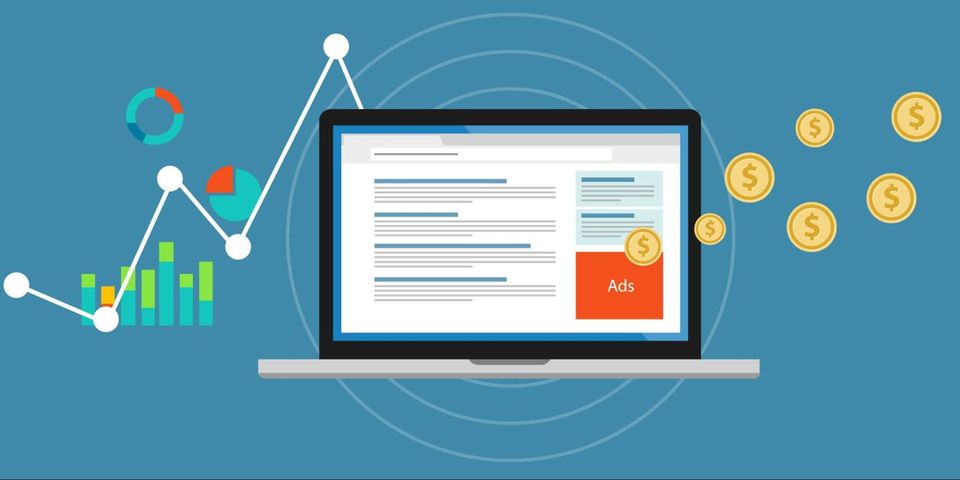
Each campaign has its own goal, so you must find
a way to measure your success
. If you’re
looking to generate revenue, your measurement may be leads or sales. If you’re
looking to increase brand awareness, your measurement may be engagement or
social mentions.
If your campaign will involve multiple media
outlets, you’ll also want to determine the measurement for each medium. You
need to identify the key performance indicators (KPIs) for each medium, as well
as the KPI for the entire campaign.
You may also want to set some milestones
throughout the campaign, so you can determine whether to forge ahead or pull
the campaign for reassessment and adjustment.
Target Audience
Properly identifying the target audience
is the single most important aspect of your campaign. Regardless of the medium
or message you use, promoting your message to the wrong audience won’t get you
to your ultimate goal.
The first step in identifying the audience is
learning what stage of the buyer’s journey your campaign is targeting. This can
be broken down into the awareness, consideration and decision stages. For
example, if you’re targeting new people to introduce your brand, you would be
targeting the awareness stage.
Then, you’ll need to determine the interests and
problems of your audience. Learn more about what they like, how they spend
their time, why they’re on social media, what content they prefer and what
problems they have that may be solved by your product or service. Finding the
answers to these questions will help you confidently craft a campaign that
resonates with your audience.
Concept
At this point in the planning process, you know
what your goal is for the campaign, how you’ll measure your success and what
audience you’re targeting, so all you have left is what your campaign will actually
be.
Marketing campaigns need a vision and message
all their own, which is an offshoot of the brand’s identity. Your campaign
should stay within the bounds of the brand in style and message, but still
maintain its own identity.
For this step, you may want to bring in the
whole team. Your in-house marketing team and social media team know your
business well and can get you started, but you can always use an agency or
freelancer for some or all of the campaign.
Once the campaign is complete, it’s time to
consider how it will be distributed to your audience.
Reaching Your Audience
Your campaign’s distribution will depend on many
factors, such as your budget and current engagement levels. Take a look at your
current media channels and see which performs the best and which offers paid
advertising, as well as which one has the majority of your target audience.
Though it’s smart to promote your campaign on multiple platforms, it’s better
to focus your efforts on the platforms in which you already have a presence.
After choosing your platforms, you can choose
two or three media options for your campaigns. These may include pay-per-click,
display ads, paid influencers, social sites or your email. You’ll also want to
tailor your images, video and copy to suit the medium you’re using.
Campaign Timeline
Part of your campaign goals involve the deadline
for your campaign, which helps you determine how and when you’ll promote it.
Beginning with a general campaign timeline, mark
your start date and deadline. Then, determine your marketing assets and
channels to decide how much you can afford to promote your content and how
often, which allows you to map out your scheduled posts for each channel. This
will help you disperse your campaign evenly and ensure that you’re posting on
each medium equally.
Conversions
Marketing campaigns are designed to influence a
particular result from a customer. Conversion is whether or not your campaign
achieves that goal. No matter how well your campaign performs in terms of
traffic or engagement, it isn’t effective if it’s not getting the result you
intended. This goes back to your specific goals within the campaign.
Achieving
the desired action is done through conversion assets, such as landing pages,
lead forms and call-to-action statements.
●Landing pages are the destination
for your campaign. These are dedicated spaces for your audience to visit and
learn more about your business, so they can decide if they want to do business
with you. This should be separate from the rest of your website.
●Lead forms are web forms that
capture information about a visitor and turn them into a lead. These aren’t
necessary for all campaigns, but they can be important for campaigns that
involve downloads or orders.
●Call-to-action statements are an
image or line of text that encourages your visitors to take a specific action.
It’s typically a clear directive, such as “buy now” or “shop now,” but the
appropriate call-to-action depends on your goal and business.
Moving Forward
Congratulations! You’ve crafted a marketing
campaign. Now, you just need to measure its performance and decide if it was
effective. Thanks to all the planning involved and your clearly defined goals,
this part should be easy.
If your campaign was successful in achieving
your goal, you’re done. If not, you should see what areas were successful and
decide what you can change for better results in the future.
Marketing campaigns aren’t the easiest thing to
create, but they’re vital to growing a successful brand. They also give you an
opportunity to connect with your audience and provide them with something
valuable, which will only serve your business needs in the future.