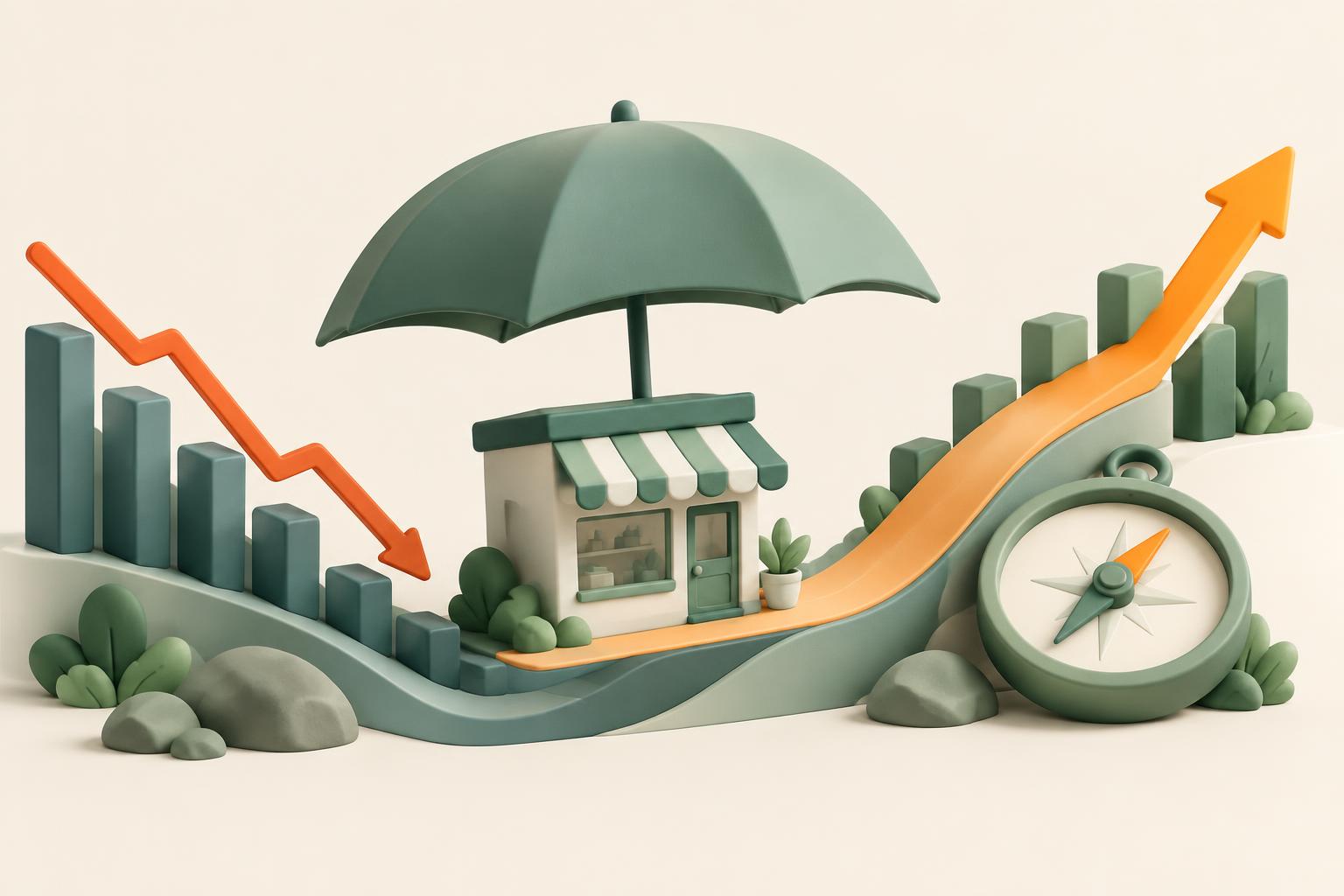
Economic shifts are a constant, and come September 2026, many small business owners will once again find themselves weighing every investment. When times get tight, the first instinct for some is to slash marketing budgets, hoping to weather the storm by simply spending less. At Digital Harvest Marketing, we’ve seen countless cycles, and our experience tells us this is often the most detrimental move you can make. Marketing isn't a luxury; it’s the engine that drives your business forward, especially when conditions are challenging.
A down economy doesn't mean less opportunity; it means different opportunity. Consumer behaviors evolve, priorities shift, and your job is to adapt your message and methods to meet them where they are. This isn't about throwing money at the problem; it's about strategic, efficient effort. Let's look at how you can market smarter, not necessarily harder, to ensure your business not only survives but thrives.
Refocusing Your Resources: Smart Spending, Not Slashing
The reality for many businesses during an economic slowdown is that budgets tighten. This doesn’t mean cutting marketing activity entirely; it means reallocating. Think of it as swapping raw budget for focused energy and strategic effort. Consumers in a cautious economy are often looking for greater value, more trusted options, and clearer benefits. This opens doors for you to actively engage potential customers who might be reconsidering their current providers or making new choices. Your goal is to be visible and compelling when they're making those decisions. Identify what has genuinely driven results in the past and double down on those efforts, while pruning what hasn't delivered a clear return.
Critically evaluate your marketing spend. Are you reaching the right audience with the right message? Are your digital ads delivering? Is your website converting visitors effectively? Use real data to guide your decisions. Free analytics tools can still provide immense insights into user behavior on your site, helping you pinpoint areas for improvement. Track your leads diligently – where do they come from? Which campaigns generate the most qualified inquiries? This granular understanding allows you to re-invest your precious time and budget into what truly works.
Elevate the Customer Experience and Build Trust
In any economy, but especially a challenging one, your existing customers are your most valuable asset. Their loyalty and word-of-mouth referrals are priceless. Take an honest look at your service. Is it just good, or is it truly 'wow'? Exceptional service is a marketing powerhouse that costs far less than acquiring new customers. Reach out to established clients through personalized emails, a quick call, or even an SMS check-in. Ask how you can serve them better or if they have any new needs. This proactive approach reinforces their trust and can lead to additional sales or invaluable referrals. Don't underestimate the power of a strong reviews and reputation strategy; positive feedback builds credibility when people are making careful choices.
Trust is also built through consistent, valuable communication. When prospects are cautious, they're looking for stability and expertise. Consistently producing helpful, educational content – whether it's blog posts, short videos, or social media updates – demonstrates that your business is solid and focused on adding value. Share this content across your social media channels and through your email and text marketing efforts. It shows you're not going anywhere and that you're a reliable resource. Potential customers are watching, and consistent value builds confidence.
Dominating the Digital Landscape: Visibility is Non-Negotiable
Your website remains your most important digital storefront. In 2026, its performance, aesthetics, and mobile-friendliness are critical. If your site isn't engaging, easy to navigate, and quick to load on any device, potential customers will quickly move on. Ensure your messaging clearly articulates the benefits of choosing your business and includes clear calls to action. A fast response to inbound leads is also paramount; delayed responses significantly decrease conversion rates. Regularly review your websites, hosting, and SEO to ensure it's a top-tier performer.
Search engine visibility has become more complex and competitive. With the rise of AI-powered answers and the continued evolution of AEO (Answer Engine Optimization), simply ranking isn't enough. Your business needs to appear in the right place, with the right information, formatted for how people search today. This means optimizing your Google Business Profile (GBP) for local searches, ensuring your service information is accurate, and collecting reviews. Focus on targeted keywords that reflect what your customers are actually searching for, integrating them naturally into your website content, meta descriptions, and even image alt text.
Beyond traditional search, understand that AI search is changing the game. People are getting direct answers, not just links. This requires a deeper focus on semantic SEO, clearly answering common customer questions on your site, and providing comprehensive information that AI tools can readily pull from. If you're not thinking about AI search visibility, you're missing a significant opportunity to be the trusted answer source.
Leveraging Technology for Efficiency
In a tight economy, efficiency isn't just nice to have; it's essential. Look at how automation and business tools can streamline your marketing and operations. Can you automate appointment scheduling, email follow-ups, or social media posting? These tools free up valuable time and resources, allowing you to focus on high-impact activities. For businesses with physical locations, modern POS and payment solutions can also provide valuable customer data and loyalty program opportunities, further enhancing your marketing efforts.
Privacy changes, particularly around third-party data and user tracking, continue to impact digital advertising. This means a greater emphasis on first-party data collection (with user consent, of course) and building direct relationships with your audience through email and text. Your ability to segment and personalize messages based on known customer preferences will become even more crucial for effective and compliant digital advertising campaigns.
The bottom line is this: an economic slowdown is not the time to retreat from marketing. It's the time to refine, adapt, and intelligently invest your efforts. By focusing on customer experience, maintaining strong digital visibility, building trust, and embracing efficiency, your business can emerge from challenging times stronger than ever.
Ready to tailor your marketing strategy for success in any economy? Let's discuss a practical, no-hype plan for your business. Book a call with Digital Harvest Marketing today.