
Starting a business out of your home is a
brilliant idea for creating new income streams or pivoting to a new career
path. If you can master the art of internet marketing, your living room or home
office can be just as good a place for generating personal wealth as any
skyrise office building.
You have a ton of digital marketing tools at
your disposal, too. A few of them are absolutely 100% necessary, while others
you can pick and choose based on your unique needs.
To help you get started, here is a quick guide
to the basics of internet marketing, what you need to effectively earn leads,
and what optional tools could help you along the way.
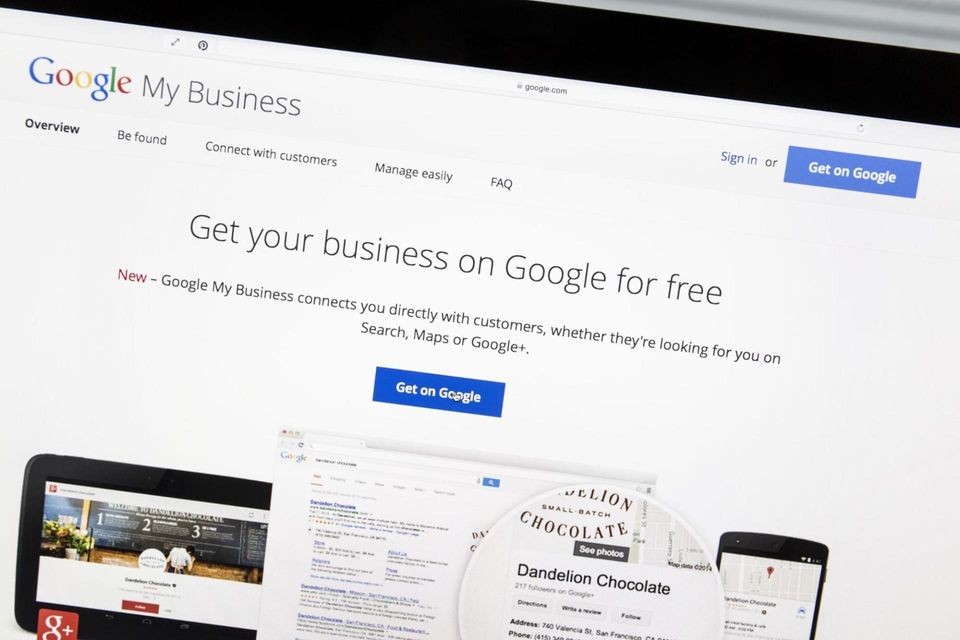
The Absolute Essential: A Google My Business Profile
Just a few months ago we might have listed a
website as the #1 priority for a small, home-run business, but claiming a
Google My Business (GMB) listing is now even _more_
important by far.
Why? Well, for one, you can create a mini
website through your GMB listing. That barebones site might not get you as far
as a legitimate website with its own custom domain name (web address), but the
fact that you can have your GMB listing site up and running lightning fast
means there’s no reason to put it off for even a second.
Even more importantly, the mini-site is
already mobile optimized — which is critical for reasons we’ll delve into in
just a moment.
So what is Google My Business? Simply put:
it’s a business listing that shows up when people search for your business or
things related to your service areas on Google.
A GMB profile:
●Reveals your business location on
Google Maps, which is incredibly important if people are meeting you at your
home office
●Lists your phone number and/or an
email contact form
●Shows a button that can quickly
take search engine users to your website
●Displays business information,
such as your hours, service category, and a short description of what your
business does
●Allows you and others to upload
photos of your business
●Enables customers to leave online
reviews
●Creates the above-mentioned
mini-website that loads quickly and looks great in mobile
The simple fact is that millions of people use
Google Search as their first step when looking for goods or services. With a
GMB created, you can ensure that they see the correct information while giving
your business a visibility boost compared to those who didn’t bother to create
their own listing.
Claiming or creating a new GMB listing is
easy, too. Google provides all the steps you need when [you hit\\
“Start Now” on their GMB page](https://www.google.com/business/).
A Website: Your Virtual Business Office

A website is another essential element to any
business run out of the home. Customers and potential leads will want to see a
website before they can feel like your business is legitimate. 75% of people want to see a quality website design
before they will even consider a business credible!
Websites give your business an environment
that you can control to create that all-important first impression. You can
present your services in a persuasive, easy to understand way.
And, you can also give people reasons to go
ahead and start interacting with your business so that they are more likely to
return as a paying customer. For instance, you can create a business blog full
of helpful tips your typical clients or customers might love to read. Or, you
can offer them free information, free content, or a chance to learn more about
you with a simple email form.
Harping on that last point, don’t expect too
many customers to email you out of the blue. Even if they are highly interested
in what you have to offer, they may hesitate if you make getting in touch with
you too difficult.
To make capturing emails and earning new lead
opportunities easy, give your website an email submission form that:
●Shows up before people have to
scroll (above the fold)
●Has as few entry forms as
possible, preferably just one for their email address
●Has a design that’s consistent
with your branding
●Uses a call-to-action promising some sort of benefit to people who sign up,
such as “Get started today!” or “Get insider tips delivered right to your
inbox!”
Having a form like this makes it easy to
convert casual clicks into genuine customer leads, so test different designs to
see what works best.
A Social Media Page: Your Digital Home Away From Home
Social media is used by 69% of all American adults
and 83% of adults
under the age of 50. Many people will also spend most of their time online
exclusively in a social media app. This trend means that if your business isn’t
on social media, you may be invisible to thousands of potential leads.
Very few businesses need to be active on more
than a few social media platforms, though. You should review which ones your
target audiences use to ensure you aren’t wasting efforts on pitching your
business to people who aren’t really there.
For instance, [Snapchat is incredibly popular with people under between\\
18-24](http://www.pewinternet.org/2018/03/01/social-media-use-in-2018/), whereas LinkedIn is more popular with adult professionals in
the 30-49 age. Some businesses, like studioSPACEnyc, even conduct most of their
business activities through social media rather than their website. “If we look
at the analytics of the website and how many people view my Instagram account,
we’ll see 200 a day on Instagram and 15 on my website,” says CEO Jacob Fisher.
No matter what platform you choose, give a
professional touch to everything you do. Add a branded logo and header image to
your pages. Share only content that is consistent with your brand voice and
your customers’ values. Post at least once a week, and definitely don’t ignore
people who directly try to ask you a question or start a conversation.
In fact, social media could be a great source
of customer leads considering that [one out of three people say they would rather contact a\\
business through social](https://www.socialmediatoday.com/social-business/social-media-customer-service-statistics-and-trends-infographic "Link: https://www.socialmediatoday.com/social-business/social-media-customer-service-statistics-and-trends-infographic")
compared to telephone or email.
So, remember that social media is more than just a
place to share silly cat photos and inspirational quotes. Give people good
reasons to interact with your brand, and keep an ear out for anyone trying to
use the platform to engage with you directly.
Email Marketing: Essential to Small Business Internet Marketing

Setting up a two-way email conversation is
about more than just business-as-usual. True, you can handle client
interactions or send things like appointment reminders over email. But email is
more special than that!
That’s because email inboxes are much less
cluttered than the typical search engine results page or social media newsfeed.
As a result, when you send people something through email, such as a newsletter
or a personalized offer, they are much more likely to actually see those
messages compared to an online ad.
For many home-based small business owners,
their email list is their most precious resource when it comes to drumming up
business. It serves as their modern Rolodex, letting them know just how many
leads they have, how many are past customers, and which opportunities are about
to convert into a sale.
Cultivate your email list carefully, and
strongly consider creating a good reason for people to open content from you in
their inbox at least once a month to keep your business top-of-mind.
Learning About Search Engine Optimization (SEO)
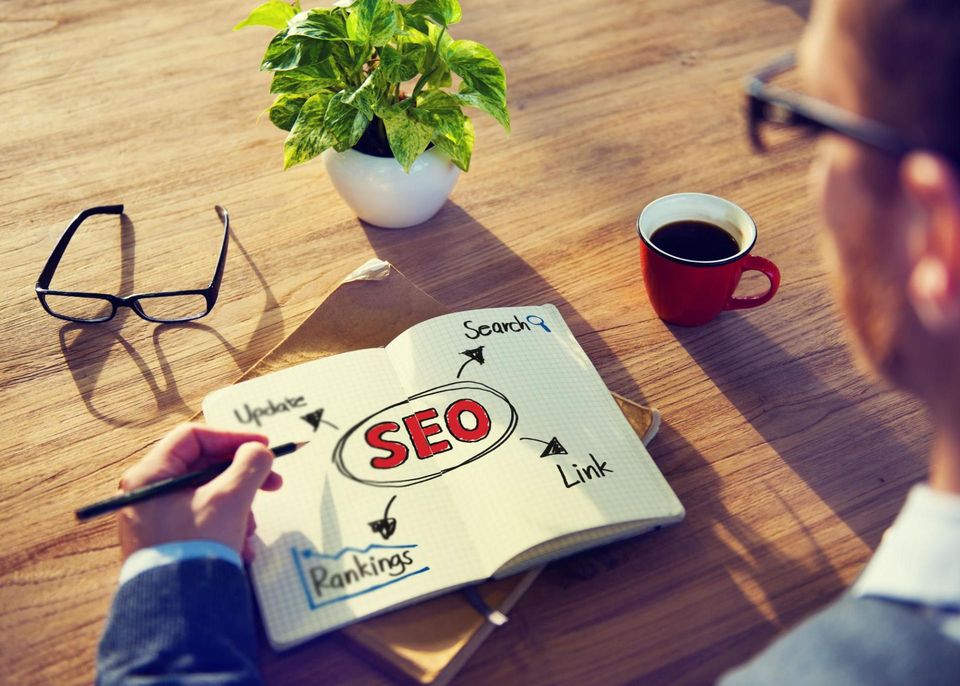
Search engine optimization (SEO) is the bridge
between simply creating things online and priming the pump for those things to
create actual leads.
What, exactly, is SEO? Simply put: SEO is
paying attention to the factors that help your business rank when someone
searches for a term related to your goods or services. For instance, if your
home business offers event photography in the Phoenix, AZ region, you probably
want to rank for search terms like “wedding photographers in phoenix” or
“phoenix event photographers”.
Making this happen is the subject of another
blog, but the trick is to ensure that key search terms like the ones listed
above and their related terms appear both within your website content and in
the code you create behind-the-scenes. To get you started, take a look at the
helpful Beginner’s Guide to SEO
from Moz.
In the meantime, focus on setting up the rest
of your internet marketing channels listed above. Your goal should basically be
to not be embarrassed or feel the need to make excuses should anyone search for
your business online, visit your website, find you on social media, or expect
professional-grade email correspondence.
Good luck, and get in touch with us if you
need any help! We are experts in getting small business owners off the ground
and ensuring they have all the elements they need to earn customers and grow their
company.