In the ever-evolving landscape of digital marketing, it's easy to get sidetracked by the latest shiny object. But some truths endure. Email marketing, despite its age, consistently proves its worth as a fundamental strategy for small businesses looking to connect with their audience and convert leads into loyal customers. It's not about mass blasts anymore; it's about smart, segmented, and personalized communication.
The core value of email marketing lies in its directness. Unlike social media algorithms that can hide your message, or paid ads that disappear when your budget runs out, an email lands directly in an inbox. It offers a unique opportunity to re-engage prospects who've shown interest—perhaps by visiting your website or downloading a resource—but haven't yet made a purchase. It’s your second, third, or fourth chance to earn their business.
Why Email Still Matters
Many small business owners assume email is outdated, especially with the rise of AI-powered search answers (AEO), social media, and SMS. But the reality is that email remains incredibly effective. It's a personal channel where people expect to receive offers, updates, and valuable information from businesses they've opted to hear from. Think about your own inbox – you open emails from brands you like and value.
Current data from marketing platforms consistently shows high engagement rates and return on investment for well-executed email campaigns. It’s a workhorse that quietly delivers results, often outperforming other channels in terms of direct conversions. Moreover, as privacy changes continue to impact third-party tracking, owning a direct communication channel like email becomes even more valuable.
Beyond the Inbox: Personalization and Segmentation
The days of sending the same newsletter to everyone on your list are long gone. Modern email marketing thrives on personalization and segmentation. Simply using a subscriber's name in the subject line or greeting is a good start, but true personalization goes deeper. It means understanding your audience's needs, behaviors, and preferences.
Segmentation allows you to divide your email list into smaller, more targeted groups based on criteria like past purchases, website activity, geographical location, or how they initially subscribed. For example, if you're a restaurant, you wouldn't send a vegan menu special to someone who frequently orders steak. Tailoring your message ensures relevance, which dramatically increases open rates, click-through rates, and ultimately, conversions. This level of targeting is a cornerstone of effective email and text marketing.
Nurturing Relationships, Not Just Pushing Sales
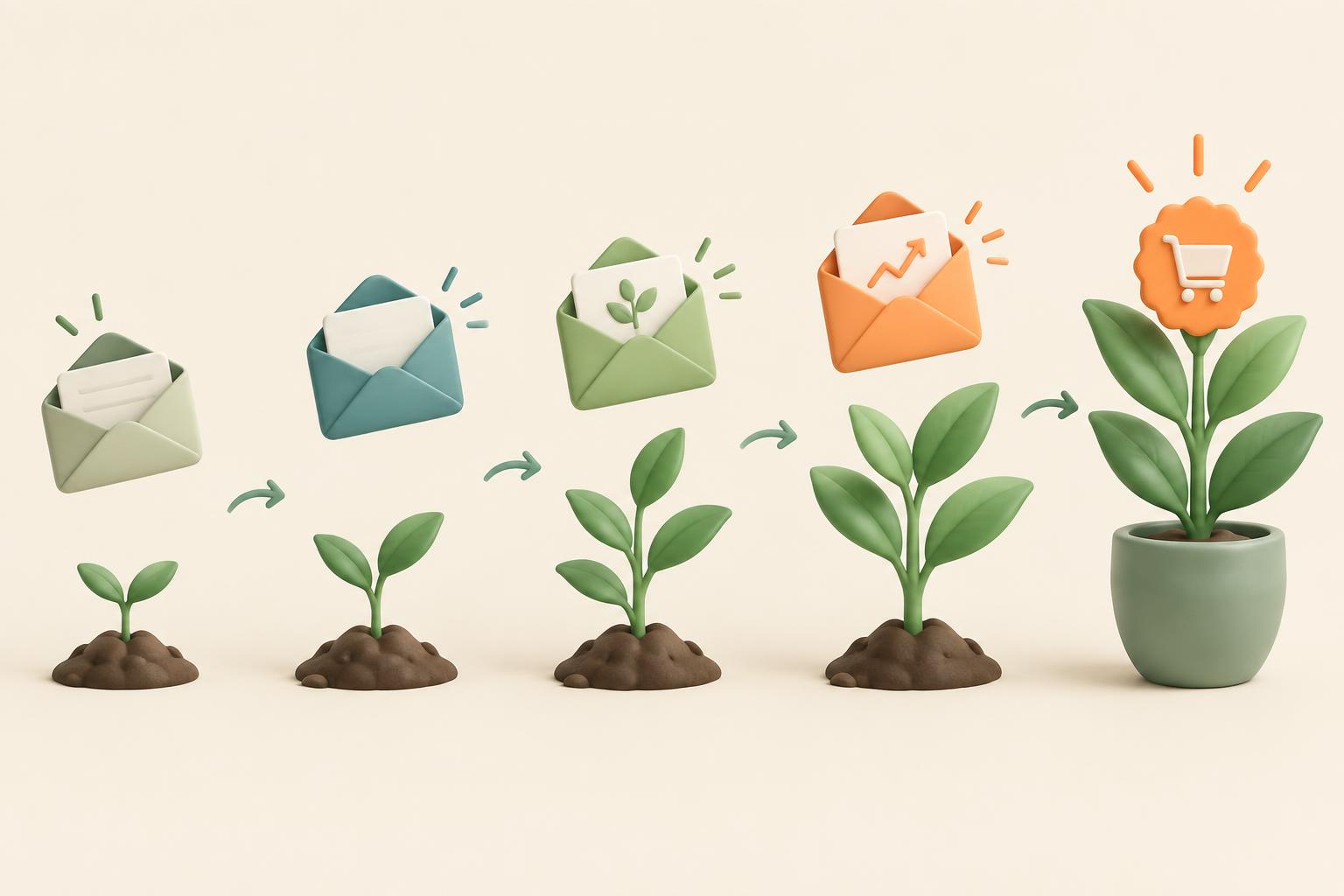
Email marketing is not just for promotional offers; it's a powerful relationship-building tool. Think of it as a series of conversations. When someone signs up for your list, they're giving you permission to enter their digital space. Respect that privilege by providing value before asking for a sale.
Initial emails might introduce your brand story, offer helpful tips related to your industry, or share insights that establish your expertise. Later, you can introduce products or services as solutions to problems your audience faces. This nurturing process builds trust and loyalty, making your subscribers more receptive when you do present a promotional offer. Automation tools can handle much of this sequence, ensuring timely and relevant communication without constant manual effort. This ties into broader automation and business tools strategies that streamline your operations.
Integrating Email with Your Full Digital Strategy
For email marketing to truly shine, it needs to be integrated with your overall digital presence. Encourage email sign-ups on your website, social media, and even in-store (perhaps via your POS and payment solutions). Use email to drive traffic to new blog posts, promote your Google Business Profile for reviews, or announce new services that you're also featuring in your digital ads.
Think about the customer journey: a potential client finds you through an AI search result, visits your website, signs up for your email list, and then receives a series of tailored emails. These emails might include a special offer, a link to a relevant case study, or an invitation to a webinar. When they're ready to buy, your brand is top-of-mind because you've consistently provided value and stayed connected. This holistic approach is what defines modern digital marketing success for small businesses.
Email is far from dead. It's a foundational element of a robust digital marketing strategy, offering direct access to your most engaged audience. When used thoughtfully and strategically, it continues to be one of the most reliable ways to turn leads into sales and build lasting customer relationships. Don't underestimate its power to drive growth for your business.
Ready to revitalize your email marketing or integrate it more effectively with your other digital efforts? Let's discuss a practical strategy tailored for your business. Book a call with Digital Harvest Marketing today.